Automated Delinquency Notices: A Practical Guide
Narasimhan Vallur | 2026-11-10
Last updated: November 10, 2026
Automated delinquency notices can reduce repetitive preparation and follow-up, but a useful process starts with an accurate balance and a clear decision about the next communication. LOFTx.ai helps property managers examine delinquency through aging, top balances and a prioritized collections plan.
This guide explains how to evaluate the notice workflow around that reporting. It does not assume that a past-due balance automatically triggers a Loftx notice or an unattended legal action. Confirm the notice preparation, approval and sending options for your organization during setup.
Start automated delinquency notices with the balance
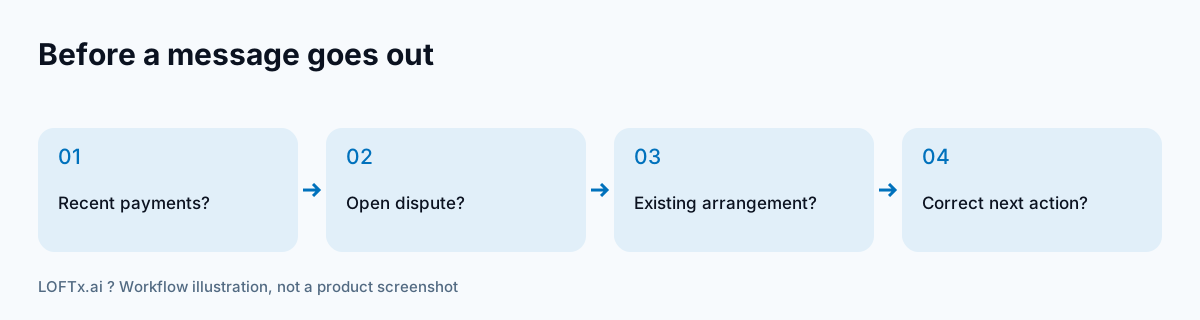
A collections queue is a starting point for review. Before preparing a communication, check recent payments, credits, adjustments and any arrangement the team has agreed with the resident. A report pulled earlier in the day can describe a different situation from the account at the moment of sending.
Loftx’s Revenue Intelligence includes delinquency aging, top balances and a prioritized collections plan. Those views help the team decide where to focus attention. Pair them with a defined account review before the communication moves forward.
Choose the communication before the automation
A courtesy payment reminder, a balance inquiry and a formal nonpayment notice serve different purposes. Decide which action is appropriate before selecting the wording or delivery step.
For formal notices, use requirements and reviewed documents appropriate to the property and tenancy. The Washington Attorney General’s landlord-tenant resources are one jurisdiction-specific starting point. This guide supplies an operational evaluation process, not a universal legal notice template or eviction timetable.
A professional resident communication should make the relevant account information understandable, explain the appropriate next step and give the resident a clear route to the management team if the information is disputed.
Keep a review point before sending
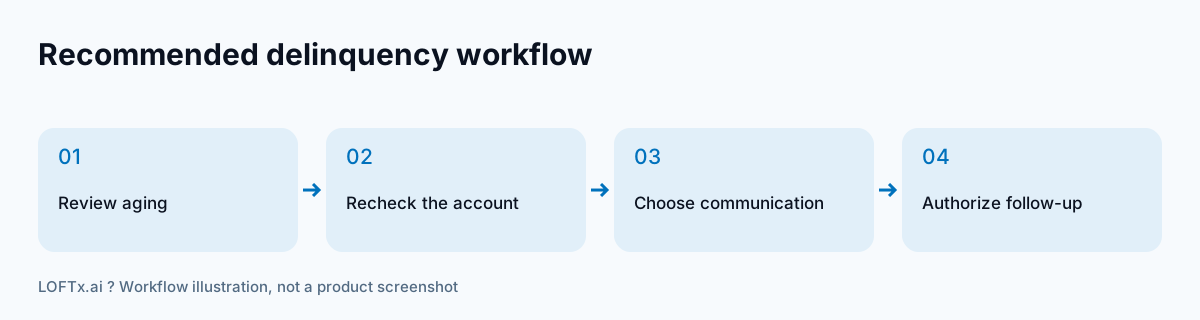
Use this recommended sequence when assessing an automated process:
- Identify accounts that need attention from the delinquency report.
- Reconcile the current balance and any recent activity.
- Select the appropriate communication and reviewed wording.
- Have the responsible person authorize the next action.
- Record the action and assign follow-up.
For a hypothetical example, a resident pays after appearing on an aging report but before the planned message. The workflow should recheck the account and hold an outdated communication. Ask your provider to demonstrate that behavior; this is an evaluation criterion, not a verified claim about an automatic Loftx payment-suppression feature.
Ask specific questions about automation
Does the workflow populate a balance from the current source, or must staff enter it? What prevents duplicate notices? Can a dispute or payment arrangement pause follow-up? Who approves the document, and how is the delivery action recorded?
Loftx supports multiple PMS platforms, so confirm the available balance data and update behavior for your connection. Also confirm whether the notice workflow is connected to delinquency reporting in your organization or requires a staff handoff. Do not infer a scheduled sending capability from the existence of a reporting screen.
For recordkeeping, use the resident notice tracking guide to define the evidence your team needs.
Bring clarity to collections follow-up
Start with visibility into what is overdue and a repeatable decision about what happens next. Book a Loftx demo to review delinquency aging, collections priorities and the notice workflow options for your portfolio.